
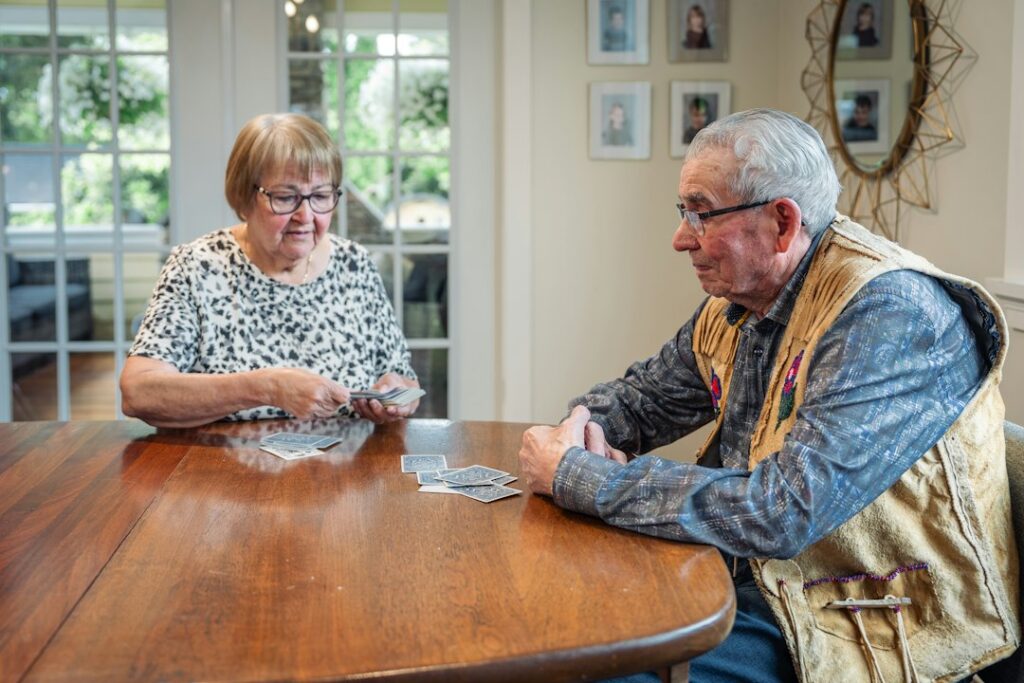
How should a family begin the conversation?
Start with concern, not a demand. A calm conversation about assisted living is more productive when it focuses on safety, daily routines, and quality of life rather than on whether someone is “still capable” of living at home.
Choose a familiar, private setting and allow enough time for the discussion. Avoid bringing it up during an argument, after a fall, or when someone is tired, in pain, or overwhelmed.
A useful opening might be:
> “I’ve noticed that some daily tasks have become harder lately, and I want to understand what would make life safer and more comfortable for you.”
The goal of the first conversation is not necessarily to make a decision. It may simply be to acknowledge concerns and agree to gather information together.
What signs suggest that assisted living should be discussed?
Assisted living may be worth discussing when a person needs regular help with daily activities but may not require the level of medical care provided in a nursing facility.
Possible signs include:
- Frequent falls, near-falls, or difficulty getting up after sitting or lying down
- Missed medications, duplicate doses, or confusion about prescriptions
- Unpaid bills, spoiled food, or difficulty managing household responsibilities
- Trouble bathing, dressing, toileting, preparing meals, or keeping up with personal hygiene
- Driving concerns, getting lost, or difficulty navigating familiar routines
- Increasing isolation, anxiety, or inability to manage emergencies
- Exhaustion among family members who provide transportation, supervision, or overnight support
One isolated incident does not always mean a move is necessary. Patterns matter. Keep a simple record of changes over several weeks, including what happened, how often it occurred, and what assistance was needed.
In a community with seasonal snow, ice, heat, and changing daylight, families may also notice that errands, outdoor steps, heating systems, or transportation become harder to manage during certain months. These practical details belong in the conversation because they affect daily safety.
How can families avoid making the discussion feel threatening?
People often resist assisted living because they hear it as a loss of independence. It helps to separate independence from doing everything alone.
Ask questions such as:
- “Which parts of your routine are becoming frustrating?”
- “What kind of help would make the week easier?”
- “What do you want to keep doing for yourself?”
- “Would you prefer help at home, a smaller residential setting, or another arrangement?”
- “What worries you most about assisted living?”
Listen without immediately correcting, persuading, or defending the idea. A parent may be worried about losing privacy, leaving a long-time home, spending savings, being around strangers, or being placed somewhere that feels too medically focused.
Those concerns should be treated as information, not obstacles. The more specific the worry, the easier it may be to address.
What if the family member says, “I’m fine”?
Avoid turning the conversation into a debate about whether the person is fine. Instead, discuss specific observations.
Rather than saying, “You can’t live alone anymore,” try:
> “You missed two medication doses this week, and you fell near the front steps yesterday. What do you think would help prevent that from happening again?”
Concrete examples are less likely to sound insulting than broad statements about age or ability.
It can also help to ask the person to suggest a short-term plan. For example, the family might agree to review medications, arrange regular meals, install safety equipment, or track falls for 30 days. If the plan does not provide enough safety, the family can revisit other options with better information.
What should families explain about assisted living?
Assisted living is generally a residential setting where people receive help with personal care, daily routines, supervision, meals, and other services. It is not the same as a hospital, and it is not automatically the same as a nursing home.
In Pennsylvania, assisted living residences and personal care homes are licensed residential settings with different regulatory categories and service capabilities. Families should ask what a particular setting can provide, what health conditions it can safely support, and what would happen if needs increase.
Important questions include:
- Is the setting licensed for the type of care being considered?
- What assistance is available with bathing, dressing, toileting, transfers, and medications?
- Is a nurse available on site or on call?
- How are emergencies handled?
- Can residents continue seeing their own physicians?
- What happens if memory loss, mobility problems, or medical needs become more serious?
- Are couples able to live together if their care needs differ?
- Which services are included, and which cost extra?
- How are care needs reassessed over time?

Families should not assume that the word “assisted” means every type of care is available. The written agreement, service plan, and admission criteria deserve careful review.
How should money be discussed?
Financial conversations are easier when they are factual and private. Assisted living costs may include a base monthly charge plus additional fees for care, medication support, transportation, supplies, or specialized services.
Create a clear picture of:
- Monthly income and available savings
- Housing expenses and property-related costs
- Prescription, medical, and insurance expenses
- Current costs of in-home help, transportation, meals, and repairs
- Whether the family member has long-term care insurance or other benefits
- What resources would remain available for future care
In Pennsylvania, assisted living and personal care settings are often paid for privately, and Medicare generally does not pay for ordinary room-and-board costs. Eligibility rules and available assistance can be complicated, so families should verify current program requirements before making financial assumptions.
Money should not be used as a threat or surprise. A person may be more willing to participate when shown several realistic options rather than being told that only one choice is possible.
How can siblings and relatives reach agreement?
Family disagreement is common, especially when relatives live in different places or see the older adult at different times. A useful approach is to agree first on the facts: what tasks are difficult, what risks have occurred, and what support is already being provided.
Assign practical responsibilities based on availability and ability. One relative might track medications, another might review finances, and another might visit settings or help with transportation.
If discussions become personal, return to shared goals:
- Prevent avoidable harm
- Respect the older adult’s preferences
- Preserve as much independence as possible
- Create a plan that family members can realistically maintain
A written care plan can reduce confusion. It should identify warning signs, emergency contacts, medication responsibilities, preferred living arrangements, and the circumstances that would require reassessment.
What if there is immediate danger?
If a person is in immediate danger because of a serious fall, untreated medical problem, fire risk, wandering, abuse, or inability to obtain food or essential medication, safety takes priority over a comfortable conversation. Emergency medical assistance or urgent guidance may be necessary.
For less immediate concerns, a medical evaluation can help determine whether an untreated condition, medication side effect, depression, vision problem, or infection is contributing to sudden changes. A decision about assisted living should be based on the person’s actual needs, not only on family frustration.
The most respectful discussion usually treats assisted living as one possible tool for supporting independence—not as a punishment, failure, or final judgment. Families in Wyncote can begin by identifying what is no longer working, what the individual wants to preserve, and what level of help would make daily life safer and more manageable.
